Mexico in perspective. The scale of its economy, its people and the companies positioned to grow with it.
US$1.83 trillion The value of goods and services produced in Mexico in 2024, at current prices. World Bank · 2024
131 million people The scale of Mexico’s market comes into focus with each new connection, consultation and purchase. World Bank · 2024
67.2% Of the population was aged 15 to 64 in 2024. That age structure helps explain demand for housing, financial services and healthcare. World Bank · 2024
US$534.9 billion In goods imported by the U.S. from Mexico in 2025. For a local supplier, the next order can mean adding a production line. U.S. Census Bureau · 2025
71.3% Of surveyed medium-sized companies applied for credit or financing between 2022 and 2024. INEGI · ENAFIN 2024
Capital for growth. We look for businesses with established customers that need capital to expand capacity, enter another region or acquire a competitor. PC Capital
Each country’s share of regional assets under management.
Deal flow by sector
Infrastructure gained six points
20232024
Financial services
24%28%
Infrastructure
19%25%
Healthcare
16%18%
Technology
14%12%
Retail
12%9%
Other
15%8%
Share of regional deal flow. Infrastructure rose from 19% to 25%, the largest increase among the sectors shown.
Source: PC Capital market presentation, slide 32. The presentation cites LAVCA and Preqin.
PC Capital · Investment process
How we decide where to invest
Before the committee
What would have to be true for us to invest?
A site visit puts the investment thesis to the test. If expansion depends on one customer, we examine committed volumes, payment terms and how much inventory the business must finance before it gets paid. Those inputs tell us how much cash the operation needs and what happens if the order slips.
After the investment
Two timetables for overseeing a business
The monthly operating committee tracks execution against the business plan. The quarterly board uses that evidence to make capital and strategy decisions. At a fiber network, for example, the operating team can investigate a drop in top-ups and the board can use its findings to decide where to fund the next rollout.
From the outset
Where will liquidity come from?
A competitive sale depends on buyers wanting the whole business. A negotiated buyback depends on the counterparty’s ability to pay. A recapitalization requires cash flow that can service new debt. Assessing these routes at entry shapes the discussion about leverage, shareholder rights and the pace of expansion.
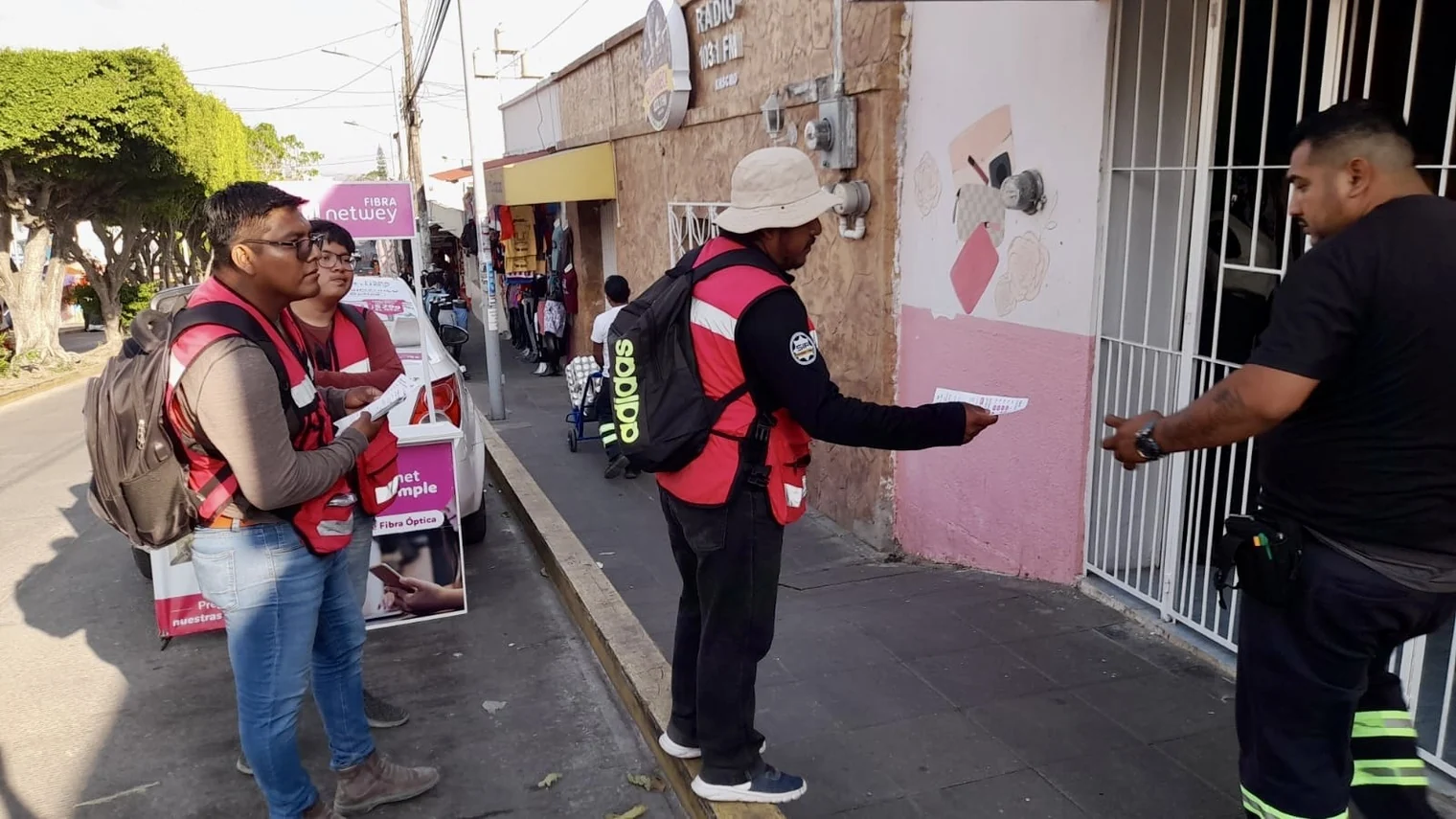
Laying fiber creates coverage. To understand the return on that build, we track how long an area takes to reach 30% penetration, how many customers top up again and the revenue per user. Network uptime helps explain changes in retention.
Two hospitals with the same bed count can meet different needs. Polar tracks beds, operating rooms, consulting rooms and intensive care units by site. That breakdown helps assess what an acquisition adds and where the network still needs investment.
Underwriting a lease requires looking at both the clinic’s cash collections and the equipment backing the contract. If a customer stops paying, the time and expense of recovering the asset and leasing it to another physician determine how much value can be recovered.
Macroeconomic perspective · November 2026
Mexico and the capital to grow
An export opportunity can become a financing challenge well before it generates sales. We look at trade, credit demand and private capital through the eyes of a Mexican business owner.
Trade with the United States
In 2025, the United States imported US$534.9 billion of goods from Mexico. For a Mexican supplier, a contract with a North American manufacturer can justify another plant. It can also require machinery, inventory and months of working capital before the first payment arrives.
In a scenario published in 2017, PwC estimated that Mexico could rank seventh in the world by GDP at purchasing power parity in 2050. When assessing a business today, we look for evidence in its order book, repeat customers and capacity utilization.
In its preliminary 2025 review, ECLAC estimated growth of 2.4% for Latin America and the Caribbean and 2.9% for South America. For a company expanding abroad, aggregate growth tells only part of the story. Local demand, the currency in which customers pay and the cost of financing inventory all matter.
PC Capital’s 2026 scenario assumed GDP growth of 1.3%, inflation of 3.8% and a 10-year government bond yield of 8.2%. These are forecasts from the November presentation. When assessing an investment, we also test what happens to cash flow if sales grow more slowly or refinancing costs rise.
PC Capital scenario · November 2026
The private capital market
LAVCA recorded US$10.1 billion raised by 94 Latin America-focused funds in 2023. In Mexico, AMEXCAP documented more than US$71 billion in cumulative capital commitments over two decades. The first figure measures one year of regional fundraising and the second covers historical commitments in one country.
In the middle market, an acquisition can expand a distribution network or add a capability that would take years to build. Before investing, we assess who might buy the combined business, how much capital it needs and how a change in interest or exchange rates could delay a sale. That discipline guides our analysis of digital infrastructure, healthcare services and financial services for businesses.